The E15 code is the single most common reason we get called out to Bosch dishwashers in Murrieta. The dishwasher stops mid-cycle, the display shows E15 (sometimes shown as E:15), and on some models the drain pump keeps running. It looks alarming, but the code itself is the dishwasher doing its job: it has detected water where water should not be and shut itself down before that water reaches your floor.
This guide explains what the Bosch dishwasher E15 error actually means, what you can safely check yourself, the five leak sources that cause it most often, why clearing the code without fixing the leak is a mistake, and what professional diagnosis and repair cost.
What the E15 error actually means
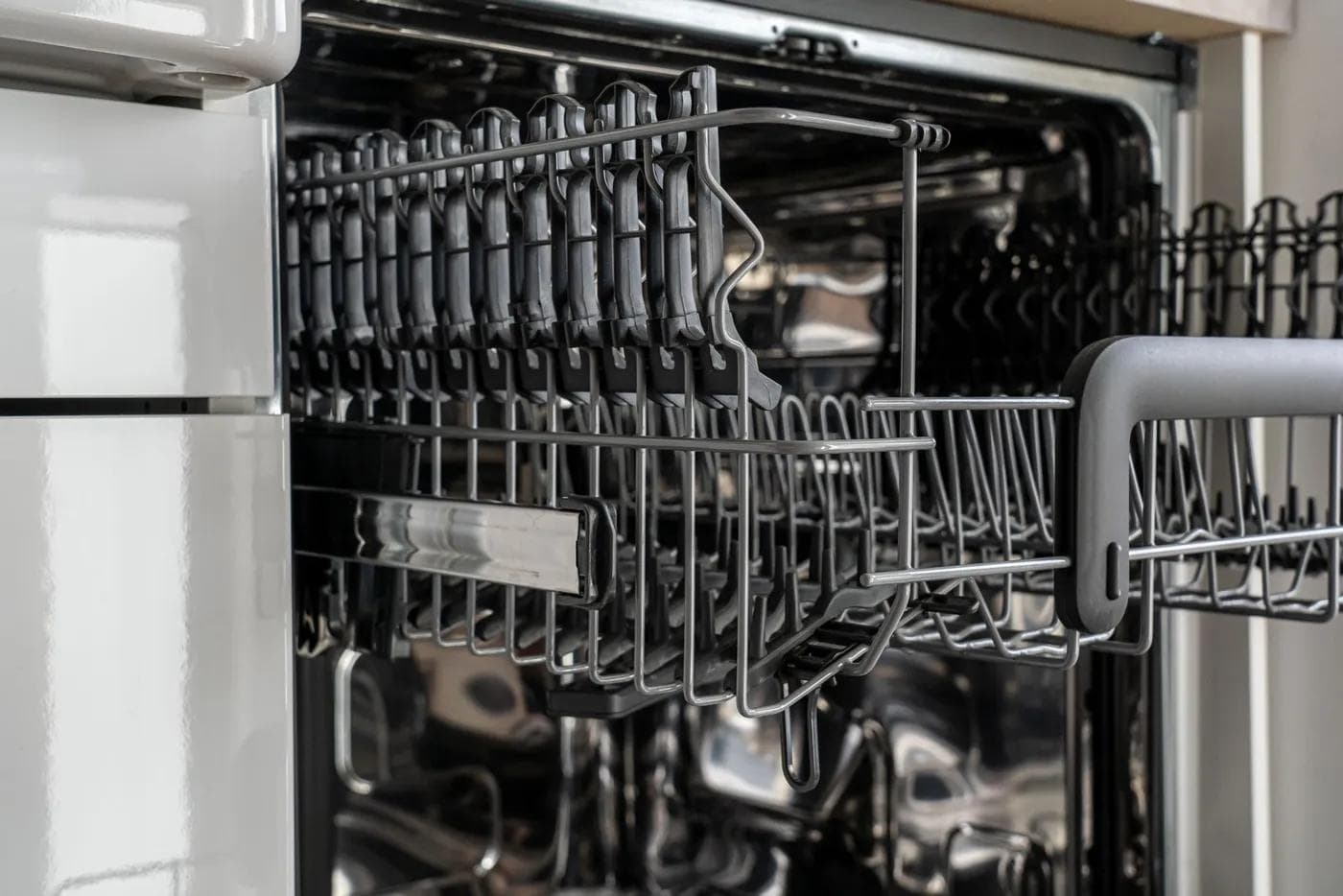
Under the tub of every Bosch dishwasher is a shallow plastic base pan. In normal operation it stays dry. If water leaks from anywhere inside the machine, it runs down into that pan. Sitting in the pan is a small foam float connected to a safety switch. As water collects, the float rises and trips the switch, and the control board responds by stopping the wash cycle and showing E15.
Bosch's own support page describes it simply: the safety switch has detected water in the base of the dishwasher, and the leakage protection system has activated. Many Bosch models also use an AquaStop inlet system designed to cut off the incoming water supply when a leak is detected.
The important point is that E15 is a symptom, not a fault in its own right. The float switch is almost never the broken part. It is reporting, correctly, that water has escaped from somewhere it should not have. Fixing E15 means finding where that water came from.
That distinction matters because the base pan can hold a surprising amount of water before anything appears on the kitchen floor. A dishwasher showing E15 may have been leaking slowly for days or weeks, and the code is the first sign you have seen of it.
DIY reset attempt and when it works
There is a sensible first attempt you can make, and in a minority of cases it resolves the problem. Safety first: before you touch anything, switch off power to the dishwasher at the circuit breaker (or unplug it, if it plugs in under the sink), and close the water supply valve, usually found under the kitchen sink. Water and electricity are both present in the base of the machine, so never inspect, tilt, or reach under a dishwasher that is still powered.
With power and water off:
- Check the floor and cabinet. Look under the kick plate and in the sink cabinet for water. Note where it is wettest, as that is a useful clue for diagnosis.
- Check for suds. Open the door. If the tub is full of foam, someone has used hand dish soap or too much detergent. Excess suds can overflow into the base pan and trigger E15 with no actual leak.
- Check the filter and door seal. Remove and rinse the filter at the bottom of the tub, and look along the door gasket for food debris, tears, or a section that has pulled away.
- Let it dry out. The float will not reset until the water in the base pan has gone. Leaving the machine powered off with the door open for a day or two often allows a small amount of water to evaporate.
Some guides suggest tilting the dishwasher forward to drain the base pan faster. That means releasing the mounting brackets, sliding the machine out, and tilting it without straining the water supply, drain hose, or electrical connection. It is heavy and awkward, and it is easy to damage the hoses or the floor. If you are not comfortable doing it, leave it to dry instead.
When this works, it is usually because the cause was a one-off: a suds overflow, or a single spill from an overloaded rack. If the code comes back within a cycle or two, the dishwasher has an active leak, and another reset will only delay the diagnosis.
Five common leak sources that trigger E15
Once suds are ruled out, these are the five sources we find most often on Bosch dishwashers in Murrieta homes.
1. Door gasket and door seal
The gasket around the tub opening keeps wash water inside. A torn, flattened, or debris-fouled gasket lets water escape at the bottom of the door, where it runs down into the base pan. Hard water at 140 to 180 ppm across the RCWD and Western MWD service areas leaves mineral deposits that stop the gasket seating cleanly over time.
2. Internal hose connections and clamps
Inside the cabinet, several hoses carry water between the inlet, the sump, the pump, and the drain. A clamp that has loosened or a hose that has hardened and cracked can drip steadily into the base pan without ever showing water on the floor.
3. Circulation pump and sump seal
The circulation pump pushes water through the spray arms under pressure. The seals where the pump meets the sump wear with age, and a seep at that joint is one of the most common E15 causes on older machines. Depending on the model and the condition of the pump, the fix may be a seal or a pump replacement.
4. Water inlet valve and supply connection
The inlet valve controls water entering the dishwasher. A cracked valve body or a weeping connection at the supply line can leak into the base. Hard water scale contributes here too, because mineral build-up affects how well valves seal.
5. Overflow from suds or an overloaded tub
Not strictly a leak, but it ends in the same place. Hand dish soap, too much detergent, or large items blocking water flow inside the tub can push water past the door seal and into the base pan. If E15 appeared once and never returned, this is the likely cause.
Why ignoring E15 damages the dishwasher further
It is tempting to dry the base pan, clear the code, and carry on. The problem is that the leak is still there, and every cycle puts more water into the base. What starts as a slow drip finds its way under the machine and into the cabinet, subfloor, and flooring, where it can cause swelling, staining, and mold that cost far more to put right than the dishwasher repair would have.
The dishwasher itself suffers as well. The base pan contains wiring, connectors, and components that are not designed to sit in water. Repeated wetting encourages corrosion on electrical connections and on the pump and motor area, and a leak left to run can turn a seal replacement into a larger repair.
Never tape down, prop up, or bypass the float switch to stop the code appearing. That disables the one protection that stops a leak from becoming a flood, and it is the kind of shortcut that turns a manageable repair into an insurance claim.
If E15 returns after a reset, turn off the water supply under the sink, stop using the dishwasher, and book a diagnosis.
What professional diagnosis and repair cost
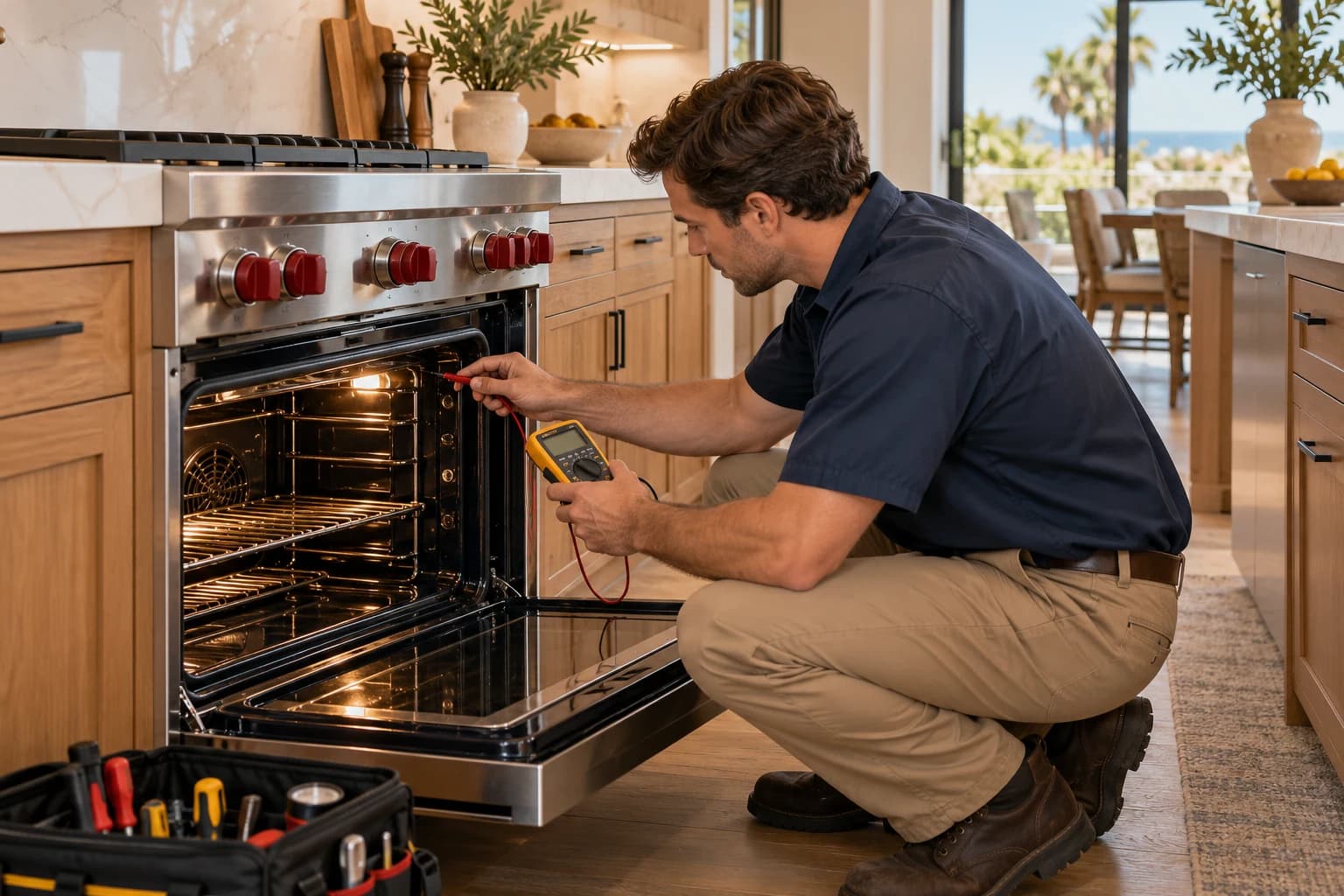
Our diagnostic is $89, and it is waived if you go ahead with the repair. Ryan Weber, our technician, has 14 years of experience, and an E15 diagnosis means pulling the dishwasher, inspecting the base pan, and running the machine with the panels off to watch for the leak. Once the source is found, you get a flat-rate quote before any work begins.
E15 repairs typically run $250 to $500 depending on the leak source. A door gasket or hose clamp sits at the lower end; a circulation pump replacement, where the pump itself has failed, runs higher, at $400 to $650. Bosch parts come through the BSH authorised distributor network, and common components usually arrive within a few business days. Every repair carries a 90-day parts and labour warranty.
For context, a replacement Bosch dishwasher runs $900 to $2,200, and Bosch dishwashers typically last 12 to 15 years or more. On most machines with E15, repair is clearly the better decision. Our Bosch appliance repair page covers the other common Bosch faults, and our dishwasher repair page covers other brands and symptoms.
If your Bosch dishwasher is showing E15 and a reset has not cleared it, call (951) 592-3670 or book through the contact page. Calls before 11 am are usually seen the same day, and it helps to have the model number ready, printed on the label along the edge of the door.