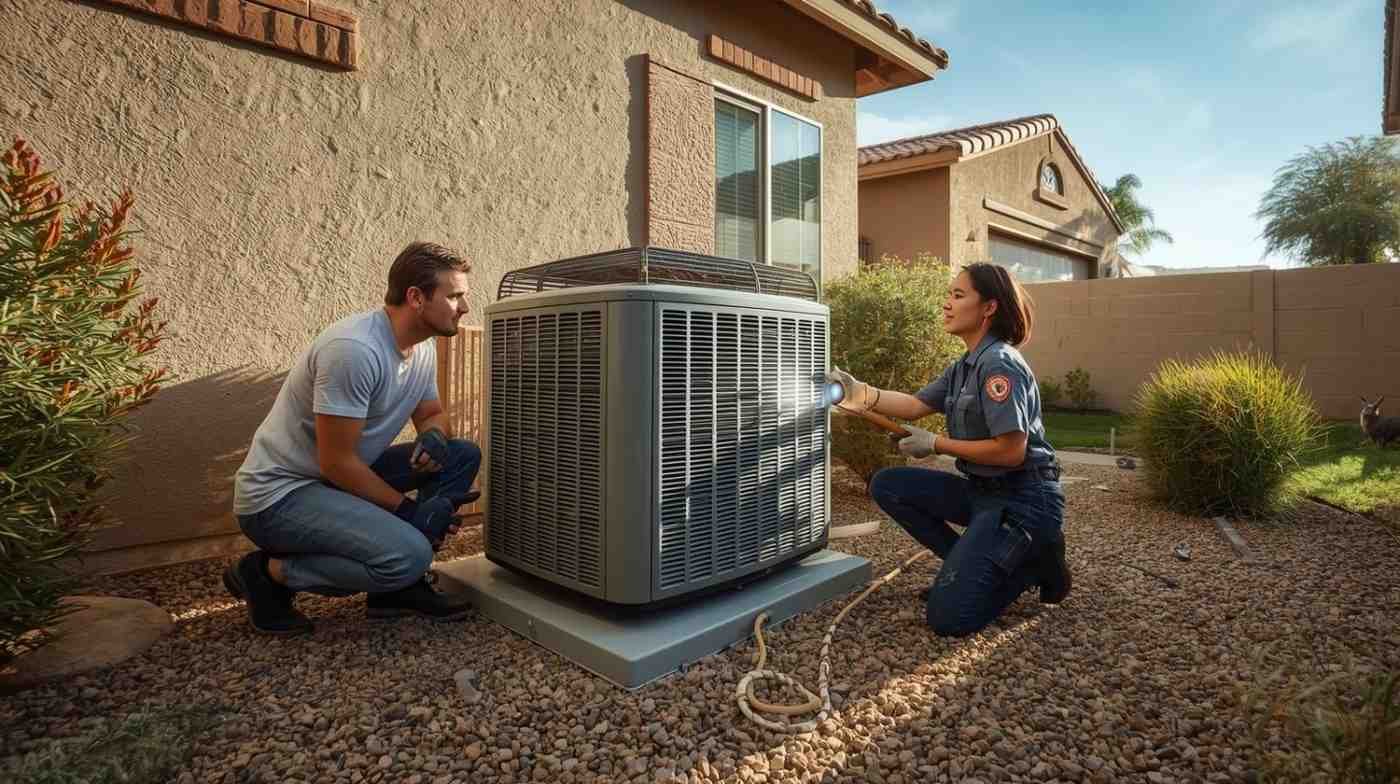
Your outdoor HVAC unit sits outside 24/7. In Murrieta, that means heat, dust, leaves, and local wildlife all compete to clog coils, chew wiring, and shorten system life. You feel the impact as higher utility bills, more breakdowns, and sometimes full system failure that you could have prevented with a few simple habits.
This guide gives you a clear, practical plan to protect your outdoor HVAC unit from local wildlife and debris, whether you manage a single-family home, a rental, or a small commercial property.
How your outdoor HVAC unit really works
Your outdoor unit is usually a condenser or heat pump cabinet. Inside it you have a compressor, a fan, coils with thin metal fins, and electrical components. The fan pulls outdoor air through the coil and pushes heat away from your refrigerant. If anything blocks that airflow or damages the coil surface, the system runs longer and hotter.
You also have electrical wiring, control boards, and contactors that sit inside the cabinet. Rodents, insects, and moisture can get inside and chew or corrode these parts.
When you think about protection, you should always think about two things:
- Keep air moving freely through the coil.
- Keep animals and debris away from wires, fins, and moving parts.
How wildlife and debris damage HVAC systems
Local wildlife and debris attack your HVAC in different ways.
Rodents and small animals
Mice, rats, and other small animals like warm, hidden spaces. HVAC blogs and pest damage case studies show that rodents often chew low-voltage thermostat wires, main power wiring, and insulation around refrigerant lines. You may see:
- Chewed or exposed wires.
- Damaged insulation on copper lines.
- Nests built on or inside the unit.
Larger animals and pets
Dogs, raccoons, and other larger animals can bend fins, dent panels, or urinate on components, which corrodes metal over time. HVAC technicians also report cases where animals dislodge line sets or kink soft copper, which harms performance.
Leaves, grass, and dust
Riverside County and Murrieta have dry periods and windy days that push dust and leaves into outdoor units. Several HVAC maintenance articles point out that leaves, clippings, and dust can block coil surfaces, increase system pressure, and force the compressor to work harder.
Debris causes:
- Reduced airflow through the coil.
- Overheating and high head pressure.
- Longer run times and higher energy use.
The real cost of ignoring wildlife and debris
Pest and debris damage can be expensive.
Pest-control and HVAC sources share that:
- Minor wiring or contactor repairs can cost a few hundred dollars.
- Board replacements, fan motor damage, or compressor issues can reach four figures.
- If refrigerant lines fail and the compressor suffers, you may face full system replacement.
You also pay in hidden ways:
- Higher electric bills because the unit runs longer against blocked coils.
- System life that drops years below what you expected.
- Frequent nuisance breakdowns during peak heat, which usually means premium emergency rates.
If you want a broader look at how poor efficiency and long run times hit your bill in hot weather, it is worth reading how to lower your utility bills during a California heatwave and pairing those tips with the protection steps here.
Murrieta site conditions that matter
Murrieta and western Riverside County combine several factors that stress outdoor units:
- Hot summers that drive long AC run times.
- Dry spells that generate dust and light debris.
- Landscaping with rocks, mulch, shrubs, and drip systems close to the home.
- Local wildlife, including rodents and other small animals, that use landscaping as cover.
If your unit sits in a side yard with gravel, bark, or shrubs, you likely have more debris landing on and around the cabinet than you realize. If your property backs onto open space, field, or a wash, wildlife pressure is usually higher.
Daily and weekly habits that actually help
You do not have to climb inside the unit to get real benefits. Small habits go a long way.
Maintain clear space
Most HVAC pros recommend keeping 2 to 3 feet of clearance around the unit on all sides so air can move freely.
You should:
- Keep shrubs trimmed away from the coil.
- Remove storage items like bikes, bins, or lumber.
- Avoid building fences tight to the unit.
Control debris
Use a regular walk-by routine, especially during windy weeks and mowing days.
You should:
- Pick up leaves and loose debris around the base.
- Point mower discharge away from the unit to avoid grass clippings.
- Use a soft brush or gloved hand to gently clear large debris from the coil surface.
Be careful with water and blowers
Light rinsing on the outside of the coil can help, but never blast water directly into the cabinet at high pressure or into electrical sections. Leaf blowers can help with loose leaves, but avoid forcing debris deeper into the coil.
Physical barriers that actually work
You can use physical protection as long as you respect airflow and service access.
Top screens and guards
A simple top screen can stop leaves and larger debris from dropping straight onto the fan and coil. HVAC maintenance articles suggest using breathable materials that do not block vertical airflow.
Side protection and cages
In some locations, a cage or barrier around the unit helps prevent vandalism, animal contact, or accidental impact. Blogs on outdoor unit protection note that you must keep enough distance from the coil so the cage does not restrict air and you must still allow technicians to remove panels for service.
Good barriers:
- Keep paws and claws away from fins.
- Provide a visual deterrent to animals and people.
- Maintain clearances recommended by the manufacturer.
Bad barriers:
- Wrap the unit so tightly that air cannot move freely.
- Use solid materials that trap leaves and dust against the coil.
- Block access panels so technicians cannot service the system.
If you are thinking about new HVAC equipment as part of a bigger upgrade, you may want to read choosing the right HVAC system for Murrieta’s microclimate so your new setup matches your site conditions and load.
Pest and wildlife strategies around your HVAC pad
You protect the pad by making it less attractive and less accessible.
Seal access points
Rodents often reach HVAC wiring through gaps in walls, conduits, and line-set penetrations. Pest and HVAC sources both emphasize sealing these paths with suitable materials to prevent entry.
You should:
- Seal gaps around refrigerant lines and electrical conduits that enter the building.
- Check for openings near the unit that lead into crawl spaces or wall cavities.
Reduce nesting spots
Shrubs, tall grass, and clutter near the pad give animals cover.
You should:
- Keep vegetation trimmed and off the unit.
- Remove stacked wood, unused pavers, and stored items near the pad.
- Avoid dense groundcovers that hide burrows.
Know when to call wildlife or pest control
If you see droppings, nests, or chewed wires on repeat visits, you likely have an ongoing pest issue. Local wildlife and pest control specialists in Murrieta focus on humane removal and exclusion methods that reduce future damage.
For repeated rodent issues, combine pest control with HVAC inspection so the technician can document and repair damage safely.
Seasonal protection in Murrieta’s climate
Murrieta does not have harsh winters, but seasonal patterns still matter.
Spring
- Clear winter debris from around the unit.
- Trim plants back before growth crowds the cabinet.
- Check for nests or pest signs before peak cooling starts.
Fall
- Stay ahead of leaf drop and wind. Articles on protecting outdoor units stress keeping fallen leaves off coils and out of tops.
- Consider a breathable top screen that stops leaves while allowing air flow.
Winter
Murrieta winters are mild, but some owners still use covers. HVAC blogs caution against full, airtight covers that trap moisture and encourage rust or pest nesting. Instead, they suggest partial protection only when needed and always remove covers before you run the unit.
For most Murrieta homes, careful debris control and a light top guard work better than heavy covers.
Commercial properties: extra risks and standards
If you manage a commercial property, you have more exposure.
Shared pads and ground units
Customers, staff, landscaping crews, and delivery teams all move near your equipment. This increases the risk of impacts, blocked airflow, and accidental damage. Pest and damage reports also show a higher incidence of vandalism and tampering on exposed commercial units.
Rooftop units
Rooftop package units collect debris differently. You must watch for:
- Leaves and trash that collect around the base.
- Bird nests and droppings that corrode surfaces.
- Loose objects that roll or blow into fan sections.
You should adopt simple written standards with your HVAC contractor and landscaper such as:
- Keep a clear zone around all units.
- Do not store items on or against equipment.
- Report any signs of damage or noise changes quickly.
A partner that understands commercial HVAC and local building needs will help you align your protection plan with your maintenance schedule. If you want a structured way to vet vendors, it is helpful to read what to look for in a local Murrieta HVAC contractor.
How to spot early signs of wildlife or debris damage
You can catch many problems early with basic senses.
Listen for:
- New buzzing, scraping, or rattling sounds.
- Rapid on‑off cycling of the outdoor unit.
Look for:
- Bent fins or crushed coil sections.
- Nests, leaves, or debris packed into visible spaces.
- Chewed wires or missing insulation.
- Animal droppings, tracks, or signs of burrowing near the pad.
Smell for:
- Burning or electrical smells, which can indicate short circuits or overheating.
If you see or sense any of these, shut the system down and schedule HVAC service. Do not reach into the cabinet or remove panels if you are not trained.
When to call an HVAC professional instead of DIY
You can handle light debris removal and basic visual checks, but you should call a professional when:
- You suspect wiring damage or see exposed copper or insulation.
- The breaker trips or the system will not start.
- The unit runs but does not cool well and the coil looks heavily clogged.
- You hear loud or unusual noises from the fan or compressor.
- You have recurring pest activity around the unit.
A professional technician can:
- Safely open the cabinet and inspect wiring and boards.
- Clean coils without bending fins or flooding components.
- Check refrigerant levels and system pressures.
- Recommend better barriers and site changes.
If recurring debris and wildlife issues are also driving higher power use, it ties directly into your utility costs. You can pair a professional visit with the strategies in top 5 energy-wasting habits in Murrieta homes to tackle both causes at once.
Murrieta outdoor-unit protection checklist
Use this quick checklist for homes and small commercial sites:
- Keep at least 2 to 3 feet clear around the unit on all sides.
- Trim plants and remove clutter near the pad.
- Direct lawn mower discharge away from the unit and clear clippings after yard work.
- Clear leaves and debris from the top and sides weekly in heavy debris seasons.
- Seal wall and conduit gaps where rodents can reach line sets and wiring.
- Use breathable top screens or appropriate cages that keep debris and paws out but preserve airflow.
- Watch and listen for changes in noise, smell, and performance.
- Schedule professional HVAC maintenance at least once a year, and more often if you have heavy wildlife or debris exposure.
If your outdoor HVAC unit already shows signs of wildlife damage or heavy debris, you can combine cleaning, inspection, and protection in one visit instead of waiting for a breakdown. A local team like Appliance Repair Murrieta can inspect your system, repair any damage, and recommend practical steps for your specific yard or site so your unit runs safely and efficiently. When you are ready to schedule or ask a question, you can reach the team through the contact page on their website.