You probably don’t think twice about running your dryer. It’s just part of the routine, load the clothes, hit start, fold them later. But that same appliance is quietly responsible for thousands of home fires every year across the country, and the leading cause traces back to something most homeowners never think to check: the vent.
This guide walks you through exactly how these fires start, what puts your home at higher risk, and the simple habits that keep your laundry room safe.
How a Dryer Vent Fire Actually Starts
Understanding the mechanics behind this risk makes it much easier to take seriously, so let’s start with what’s actually happening inside your dryer and vent system.
Why Lint Is Highly Flammable
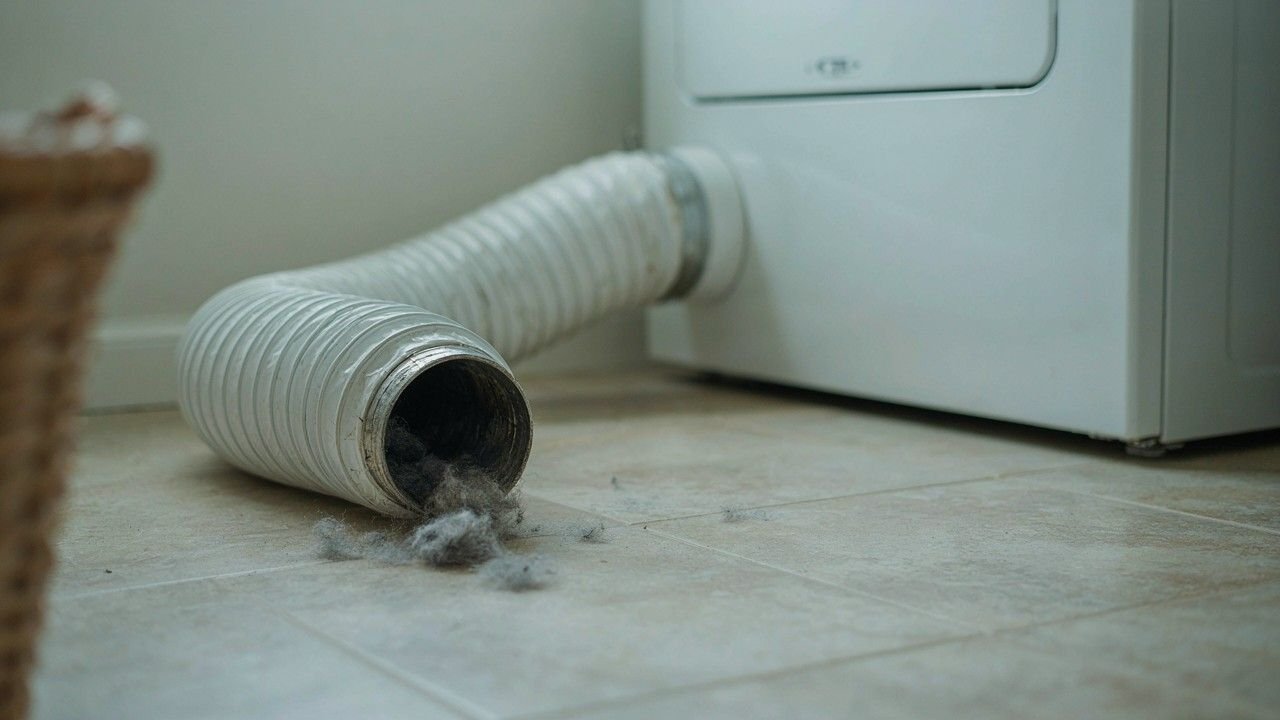
Lint is made up of tiny, dry fibers pulled from your clothing during every cycle. Those fibers are lightweight, loosely packed, and highly combustible, which is exactly why they’re dangerous when they build up somewhere they shouldn’t.
How Restricted Airflow Causes Heat to Build Up
When a vent is partially or fully blocked, airflow can’t move the way it’s supposed to. The dryer keeps generating heat, but with nowhere for that hot air to escape, temperatures inside the duct climb well beyond normal operating range.
Why Ignition Can Happen Without a Spark
As duct temperatures rise, the lint coating the interior walls can reach its ignition point purely from heat, no spark required. This is often a slow, smoldering process that can spread inside wall cavities before it ever becomes visible flames.
How Common Are Dryer Fires, Really?
This isn’t a rare, freak occurrence. Dryer fires happen with enough regularity that fire safety organizations track them closely every year.
What National Fire Data Shows
According to the National Fire Protection Association and the U.S. Fire Administration, clothes dryers are involved in thousands of home structure fires annually, with failure to clean the appliance and its vent system identified as a leading contributing factor.
When Dryer Fires Are Most Likely to Happen
Dryer fires tend to cluster in the fall and winter months, when heavier fabrics like towels, jeans, and bedding get washed more often, and cycles run longer to compensate. They’re also more likely to occur during the afternoon and evening hours, simply because that’s when most households are running laundry.
Why Official Fire Data Varies Across Sources
You’ll find a wide range of statistics if you search this topic yourself, some sources report different fire counts, percentages, and damage figures than others. This happens because different organizations track different time periods, definitions, and reporting methods.
The consistent thread across all credible sources, though, is the same: lint and vent neglect are the dominant cause, and prevention works.
Warning Signs Your Vent Needs Attention Now
Your dryer often gives you warning signs well before anything dangerous happens, if you know what to look for.
Clothes Taking Longer Than Usual to Dry
If you’ve noticed your dryer needing an extra cycle to finish a load, that’s frequently a sign of restricted airflow. This exact issue is common enough that it’s worth its own deep dive, which this guide on why your dryer is taking two cycles to dry clothes covers in detail.
The Dryer or Laundry Room Feeling Unusually Hot
A dryer that feels hot to the touch on the outside, or a laundry room that heats up noticeably during a cycle, points to trapped heat that isn’t escaping through the vent properly.
A Burning or Musty Smell During a Cycle
Any burning smell during operation should be taken seriously right away. This kind of warning sign is worth recognizing quickly across all your appliances, not just the dryer, as covered in this rundown of sounds your appliances should never make. A musty smell, on the other hand, can indicate lint sitting in damp conditions inside the duct.
Visible Lint Around the Vent Opening or Exterior Flap
Step outside and check the exterior vent flap while the dryer runs. Visible lint buildup around the opening, or a flap that barely moves, is a clear sign airflow is restricted.
Common Mistakes That Increase Fire Risk
A lot of fire risk comes down to a handful of avoidable setup and maintenance mistakes that homeowners don’t realize matter this much.
Using Flexible Foil or Plastic Venting Instead of Rigid Metal
Flexible foil and plastic venting are more prone to sagging, crushing, and trapping lint inside their ridges compared to rigid metal ducting, which allows air and lint to move through more freely.
Venting Runs That Are Too Long or Have Too Many Bends
Every extra foot of duct length and every additional bend reduces airflow efficiency, giving lint more surface area to collect on along the way.
Incorrect DIY Vent Modifications or Extensions
Homeowners sometimes extend or reroute vent runs themselves during a renovation or appliance swap, without accounting for proper length limits or bend angles, which can unintentionally create a bigger fire risk than before.
This is a good example of where a DIY attempt can end up costing more than it saves, a pattern explored further in this breakdown of the hidden costs of DIY appliance repair.
Ignoring the Exterior Vent Cap and Flap
The exterior cap and flap are easy to forget since they’re outside, out of sight. But a damaged, blocked, or poorly sealed cap can trap moisture and lint right at the point where airflow needs to exit freely.
How Often You Actually Need to Clean Your Dryer Vent
Knowing the right cleaning frequency for your specific household takes the guesswork out of staying safe.
General Guidance for Average Households
Most fire safety organizations recommend a professional dryer vent cleaning at least once a year for an average household.
Household and Usage Factors That Shorten the Interval
Larger households, homes with pets that shed heavily, and anyone who does frequent laundry loads should plan on cleaning more often than the standard annual guideline, since lint accumulates faster under those conditions.
DIY Vent Cleaning vs. Professional Cleaning
Not every part of this maintenance task requires a professional, but knowing where your own efforts stop making a real difference matters.
What You Can Safely Check and Clean Yourself
You can safely clean the lint filter before every load, check the vent hose behind the dryer for visible kinks or damage, and inspect the exterior flap periodically for lint buildup.
The Limits of DIY Cleaning on Long or Hidden Vent Runs
Once the vent run extends through walls, ceilings, or multiple stories, a handheld brush or vacuum attachment often can’t reach the full length of the duct, leaving buildup you can’t see or access on your own.
What a Professional Dryer Vent Cleaning Actually Involves
A professional cleaning typically includes a full inspection of the entire duct run, specialized equipment to clear lint from end to end, and a check of the exterior cap and flap to confirm proper airflow.
Why Murrieta Homes Face Some Unique Vent Risks
Local home layouts and climate conditions add a few extra factors worth knowing about if you live in this area.
Longer Vent Runs in Larger Homes and Multi-Story Layouts
Many homes in Murrieta and the surrounding area feature larger floor plans and multi-story layouts, which often means longer vent runs between the dryer and the exterior wall, exactly the kind of setup that increases lint buildup risk.
Dry Climate Conditions and Fire Risk Awareness
Southern California’s dry climate already carries heightened general fire risk awareness throughout the year, which makes it worth treating an often-overlooked fire hazard, like a dryer vent, with the same seriousness as outdoor fire safety.
This mirrors how the local climate affects appliances more broadly, a topic covered in this guide on how the California climate impacts your appliance lifespan.
Laundry Rooms Located Away From Exterior Walls
Interior laundry rooms, closets, and upstairs laundry setups are common in newer home designs, but they typically require longer duct runs to reach an exterior wall, adding more distance for lint to accumulate along the way.
What a Dryer Vent Fire Actually Costs You
Beyond the obvious danger, a dryer vent fire carries real financial consequences worth understanding.
Property Damage and Repair Costs
Dryer fires that spread beyond the appliance itself can cause significant structural damage, especially since smoldering lint inside wall cavities can spread before it’s ever visible.
Homeowners Insurance Considerations
Most homeowners insurance policies do cover accidental appliance fires, but a documented pattern of neglected maintenance can complicate a claim. It’s worth reviewing your policy’s specific language around appliance maintenance requirements.
The Financial Case for Preventive Cleaning
A routine vent cleaning costs a small fraction of what fire damage repair or a full appliance replacement would run. This is one of the clearest examples of how a little preventive maintenance protects your larger investment, a theme that also shows up in this guide on the average lifespan of major home appliances.
Other Dryer Habits That Reduce Fire Risk
A few additional daily habits work alongside regular vent cleaning to keep your laundry room genuinely safe.
Never Running the Dryer Unattended or Overnight
Running a load while you sleep or leave the house removes your ability to react quickly if something goes wrong. It’s a small habit change with a real safety payoff.
Cleaning the Lint Trap Before Every Load
This takes just a few seconds and remains one of the single most effective daily habits for reducing fire risk, since it stops lint from ever reaching the vent system in large amounts.
Not Overloading the Drum
An overloaded dryer restricts proper airflow inside the drum itself, forcing the appliance to run hotter and longer than it should, which adds unnecessary strain and risk.
This kind of daily wear adds up over time, and knowing what early decline looks like across your appliances can help you catch problems before they become serious, as covered in this list of signs your appliances are about to break down.
Installing a Smoke Detector Near the Laundry Area
A working smoke detector positioned near your laundry room adds an extra layer of early warning, giving you more time to respond if something does go wrong.
When to Call a Professional Right Away
Some situations call for immediate professional attention rather than waiting for your next scheduled cleaning.
You See Scorch Marks, Discoloration, or Heat Damage on the Dryer
Any visible sign of heat damage, scorching, or discoloration on or around the dryer means it’s time to stop using the appliance and have it inspected before running it again.
Heat and electrical warning signs deserve the same urgency across any appliance in your home, something this guide on why you shouldn’t ignore a shocking appliance explains well.
You Don’t Know the Vent’s Cleaning History
If you’ve recently moved into your home and have no idea when the vent was last cleaned, or even how it’s routed, it’s worth having a professional inspect and clean it as a starting point rather than guessing.
After a Home Renovation That Altered the Vent Path
Any renovation that moved walls, added rooms, or changed your laundry room’s location may have altered your vent path in ways that affect airflow. A professional inspection afterward confirms everything is still routed and sealed correctly.
Working with a company that’s familiar with local home layouts and vent configurations makes this kind of check far more reliable, something worth keeping in mind when finding a trustworthy appliance repair company in Riverside County.
A dryer vent fire is one of the most preventable hazards in your entire home, and it starts with something as simple as staying on top of lint and airflow. Clean the filter before every load, schedule a professional vent cleaning at least once a year, and pay attention to the warning signs your dryer gives you along the way.
A few small habits are all it takes to keep your laundry room, and the rest of your home, genuinely safe. If you’d rather have a professional handle the inspection and cleaning, the team at Appliance Repair Murrieta knows the vent layouts common in this area and can help you stay ahead of the risk. Feel free to reach out anytime you want a second opinion.