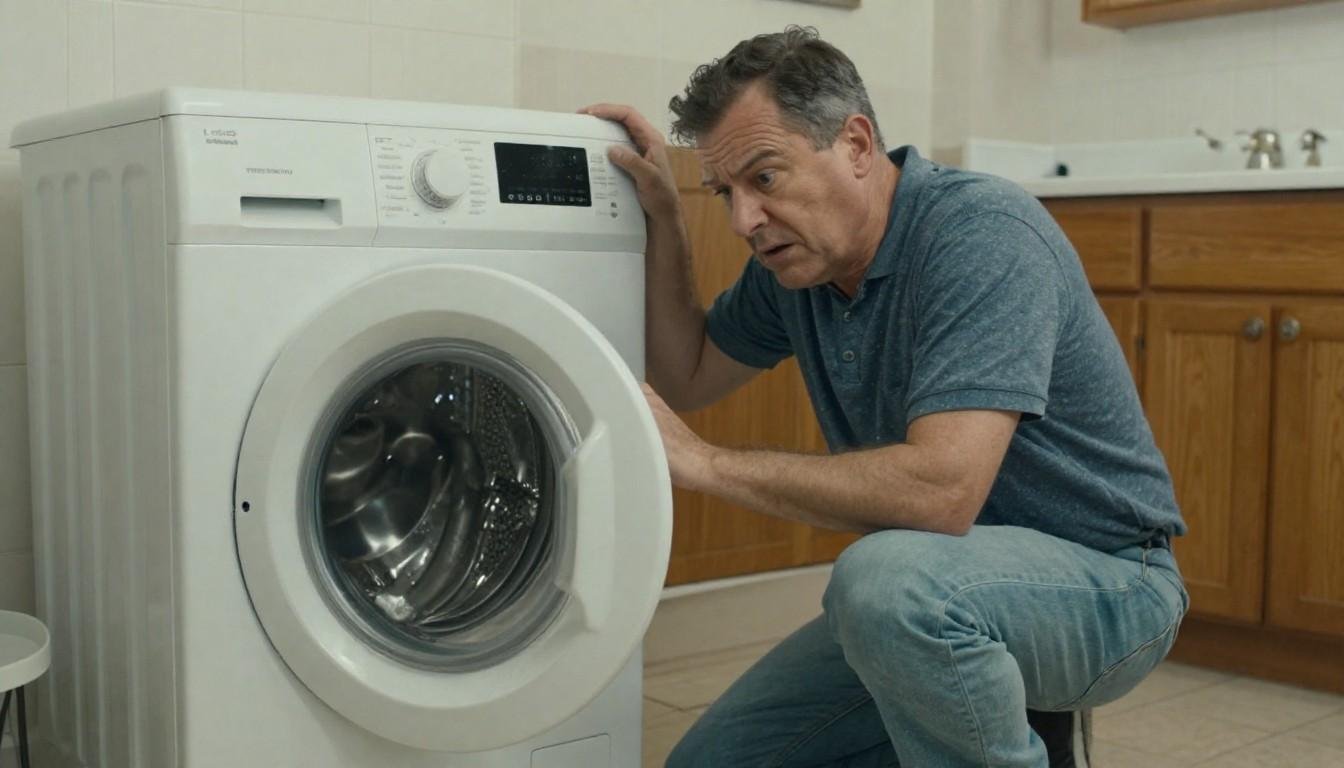
You open the washer expecting clean clothes, but instead you find a tub full of dirty, standing water. It won’t drain, it won’t spin, and now you’re stuck figuring out what went wrong before you can even think about rewashing that load.
This is one of the most common washer complaints homeowners and business owners in Murrieta deal with, and in most cases, the cause is something you can identify quickly once you know where to look.
This guide walks you through the most common reasons a washer stops draining, what you can safely check yourself, and when it makes sense to bring in a professional.
How to Safely Remove Standing Water Before You Troubleshoot
Before you touch any wires, hoses, or panels, you need to get that water out of the drum. Skipping this step makes every other part of the process messier and riskier than it needs to be.
Turning Off Power and Water Supply First
Unplug the washer or switch off its breaker before you do anything else. Then shut off the water supply valves behind the machine. This protects you from electrical hazards and stops any more water from filling the tub while you work.
Bailing Out the Drum Manually
Grab a bucket, cup, or bowl and scoop the water out directly. It’s slow and a little rough on your back, but it works on every washer type and doesn’t require any tools.
Draining Through the Hose With a Bucket
If you’d rather not bail water by hand, disconnect the drain hose from the wall or standpipe, keep it raised above the tub, then lower it into a bucket placed on the floor. Gravity pulls the water out, and you can raise the hose again whenever the bucket needs emptying.
Top Reasons Your Washing Machine Won’t Drain
Once the water is out, you can start looking for the actual cause. Most drainage problems come down to one of these issues, and several of them are things you can check yourself in a few minutes.
A Clogged or Dirty Drain Pump Filter
Lint, hair, coins, and small clothing items collect in the pump filter over time. Once it’s packed full, water can’t pass through, and the wash cycle stalls with a tub full of water.
A Kinked, Clogged, or Improperly Positioned Drain Hose
A hose that’s bent, crushed behind the machine, or pushed too far down the standpipe can block water flow just as easily as a clogged filter. Even a hose in good condition can cause siphoning issues if it sits at the wrong height.
A Faulty Lid Switch or Door Lock
Top-load washers only drain and spin when the lid switch engages properly, and front-load washers rely on the door lock the same way. If that switch is worn out or misaligned, the machine treats the door as open and refuses to move water.
A Broken Drive Belt or Pump Belt
Some washers use a belt to connect the motor to the pump. When that belt slips, cracks, or snaps, the pump has no power behind it, even if everything else in the machine is working fine.
A Failing or Burned-Out Drain Pump
The pump does the actual work of pushing water out of the tub. If it’s worn down or has a burned motor, you might hear grinding, humming, or nothing at all where you’d normally expect noise.
Small Objects Trapped Inside the Pump
Socks, hairpins, coins, and buttons slip past the tub and land directly in the pump housing. Once they’re lodged in there, they block the impeller and stop water from moving through.
A Faulty Control Board
The control board manages the timing between wash, rinse, and drain cycles. When it malfunctions, the washer might skip the drain step entirely or get stuck between cycles.
An Unbalanced Load Triggering a Safety Pause
Heavy items like towels or bedding sometimes clump together on one side of the drum. Many washers pause the cycle rather than risk spinning an unbalanced load, which can look like a drainage failure even though nothing is actually broken.
Front-Load vs. Top-Load Washers: Different Drain Systems, Different Problems
Not every washer handles drainage the same way, and knowing your machine’s design helps you narrow down where to look first.
Where the Pump and Filter Sit on Each Type
Front-load washers usually place the pump filter behind a small access panel near the bottom front of the machine. Top-load washers often have the pump higher up or built into the base, which can make access trickier depending on the model.
Why Front-Load Pump Access Makes Clogs More Noticeable
Because front-load filters sit right behind an easy-to-reach panel, homeowners tend to notice clogs sooner and clear them out faster. If you’re weighing which washer style fits your household better long term, this comparison of smart appliances versus traditional models breaks down which designs are easier to repair overall.
Is It the Washer or Your Home’s Plumbing?
Sometimes the washer isn’t the problem at all. Your home’s plumbing can cause the exact same symptoms, and it helps to rule this out early.
Signs the Problem Is Inside the Machine
If only the washer struggles to drain while every other fixture in your home works fine, the issue almost always sits inside the machine itself, whether that’s the pump, hose, or filter.
Signs the Problem Is Your Drain Line or Standpipe
If sinks, toilets, or tubs elsewhere in your home are also draining slowly, you’re likely dealing with a clogged drain line rather than a washer malfunction.
Why Murrieta’s Hard Water Adds to Pump and Hose Buildup
Murrieta’s water supply carries a high mineral content, and over time, that mineral buildup narrows hoses and coats pump components, making clogs more likely than in areas with softer water.
This connects to a bigger pattern across household appliances, which this guide on how hard water in Murrieta affects your home appliances covers in more detail. If your washer has developed a musty odor along with drainage trouble, that combination often points to the same root cause explained in why your washer smells like mildew.
When to Call a Plumber Instead of an Appliance Tech
If multiple fixtures in your home are backing up at once, you need a plumber to clear the main line before an appliance technician can properly diagnose the washer itself.
Error Codes That Point to a Drainage Problem
Modern washers often display an error code before you even open the lid, and that code can save you a lot of guesswork if you read it correctly.
Why You Should Record the Code Before Resetting the Washer
Write down the exact code before you unplug or reset anything. Clearing it too early means you lose the one clue that tells you exactly what the machine detected.
Common Drain-Related Codes Across Major Brands
Most manufacturers use a specific code to flag drainage failures, though the exact letters and numbers vary by brand and model. Check your owner’s manual or the manufacturer’s support page for the precise meaning behind your washer’s code.
Why a Power Reset Sometimes Hides the Real Cause
Unplugging the washer for a minute and plugging it back in clears many minor glitches, but it doesn’t fix a clogged filter or a failing pump. If the same code returns after a reset, the underlying cause is still there.
This same logic applies after a power outage, and this guide on resetting your home appliances after a power outage in Murrieta walks through the safe way to do it across your other appliances too.
DIY Checks You Can Safely Try First
Once you understand the likely cause, a few simple checks often solve the problem without any tools beyond a bucket and a flashlight.
Cleaning the Drain Pump Filter
Locate the small access panel near the bottom front of your washer, place a towel underneath, and open it slowly since water often spills out. Clear out any lint, hair, or small items, then close the panel firmly before running a test cycle.
Checking the Drain Hose for Kinks or Blockages
Pull the washer away from the wall and inspect the hose along its entire length. Straighten out any kinks, and disconnect the hose to check for blockages if it still looks fine on the outside.
Testing the Lid Switch or Door Latch
Press the lid switch by hand on a top-load washer, or check that the door latches firmly on a front-load model. If you don’t feel or hear a click, the switch likely needs replacing.
What to Avoid When Troubleshooting a Drain Problem
Skip chemical drain cleaners inside the washer, since they can damage seals and hoses. Never reach into the pump housing while the machine is plugged in, and don’t force a stuck belt or pump component, since attempting a repair beyond your comfort level often costs more to fix afterward.
This breakdown of the hidden costs of DIY appliance repair explains why knowing your limit here actually saves you money.
When to Call a Professional Appliance Repair Technician
Some drainage problems go beyond what a homeowner can safely fix, and knowing when to stop troubleshooting saves you time and prevents further damage.
Grinding, Humming, or Silent Pump Noises
Any of these sounds during the drain cycle usually points to a failing pump motor, which typically needs professional replacement.
Water Backing Up After Every Cycle
If your washer drains sometimes but not others, or backs up consistently no matter what you clear out, something deeper in the system needs a trained eye.
Burning Smells, Tripped Breakers, or Electrical Signs
Stop using the washer immediately if you notice any of these signs. Electrical issues carry real safety risks, and this is exactly the kind of problem covered in why you shouldn’t ignore a shocking appliance.
Repeated Failures After DIY Fixes
If you’ve cleaned the filter, checked the hose, and tested the switch, and the washer still won’t drain, a technician can pinpoint the exact failure instead of you guessing at parts to replace.
How Much Does It Cost to Fix a Washer That Won’t Drain?
Repair costs depend heavily on which part failed and how accessible it is on your specific model. Here’s a general idea of what factors into the price.
Cost to Clean a Filter or Clear a Hose
This is typically the least expensive fix, since it often just requires labor and no replacement parts.
Cost to Replace a Drain Pump or Belt
Pump and belt replacements involve both the part and the labor to access it, which varies based on whether the pump sits behind an easy access panel or requires more disassembly.
Cost to Repair a Control Board or Lid Switch
These repairs usually cost more than a simple filter cleaning, since control boards and switches involve more precise diagnostic work.
When Repair Costs Signal It’s Time to Replace the Washer
If your washer is already older and facing multiple issues at once, repair costs can start approaching what a new machine would cost. This guide on whether it’s worth repairing your old appliance or replacing it walks through how to make that decision with more confidence.
How to Prevent Future Drainage Problems
A little routine maintenance goes a long way toward keeping your washer draining properly for years to come.
Clean the Filter on a Regular Schedule
Set a reminder to clean the pump filter every few months, or more often if your household does frequent laundry loads.
Check Pockets Before Every Load
A quick pocket check before tossing clothes into the wash catches coins, tissues, and small items before they ever reach the pump.
Avoid Hose Mistakes After Moving or Reinstalling the Washer
If you’ve recently moved your washer or reinstalled it after a repair, double check that the hose isn’t kinked, crushed, or positioned at the wrong height, since this is a common and easily overlooked cause of new drainage issues.
Recognize Early Warning Signs Before a Full Stoppage
Slow draining, gurgling noises, or a cycle that takes longer than usual are all early signs worth investigating before the washer stops draining completely.
Watching for signs like these across all your appliances, not just the washer, can help you catch bigger problems early, as covered in this list of signs your appliances are about to break down.
Drainage Issues in Rental Properties and Commercial Laundry
If you manage rental units or run a business with on-site laundry, a washer that won’t drain becomes an operational problem, not just a household inconvenience.
Why Shared Washers Clog More Often
Higher usage means more lint, more small objects left in pockets, and more wear on pumps and hoses, which speeds up the timeline for drainage issues compared to a typical single-family home.
Preventive Maintenance for Landlords and Property Managers
A scheduled maintenance check catches filter buildup and hose wear before tenants report a flooded laundry room, protecting both your equipment and your tenant relationships.
How Appliance Repair Murrieta Helps Homeowners and Businesses
If you’ve worked through the checks above and your washer still won’t drain, or you’re not confident about opening up the pump housing yourself, it’s worth getting a second opinion from someone who handles these repairs regularly.
The team at Appliance Repair Murrieta has years of experience diagnosing washer drainage issues across Southwest Riverside County, including problems tied to the area’s hard water and mineral buildup.
Diagnostic and Repair Services for Drainage Problems
A trained technician can quickly determine whether you’re dealing with a clogged pump, a failed switch, or a control board issue, then walk you through the most cost-effective way to fix it.
Same-Day and Emergency Repair Availability
A washer full of standing water doesn’t always wait for a convenient time, and getting fast, reliable help makes a real difference when your laundry routine is on hold. If you’d rather talk through your specific situation before scheduling anything, reach out to our team and we’ll help you figure out the next step.
A washer that won’t drain is frustrating, but it’s rarely a mystery once you know where to look. Start with the simple checks, like the filter and the hose, before assuming the worst. If the problem keeps coming back or you notice signs of an electrical issue, that’s your cue to bring in a professional rather than risk a bigger repair down the road.