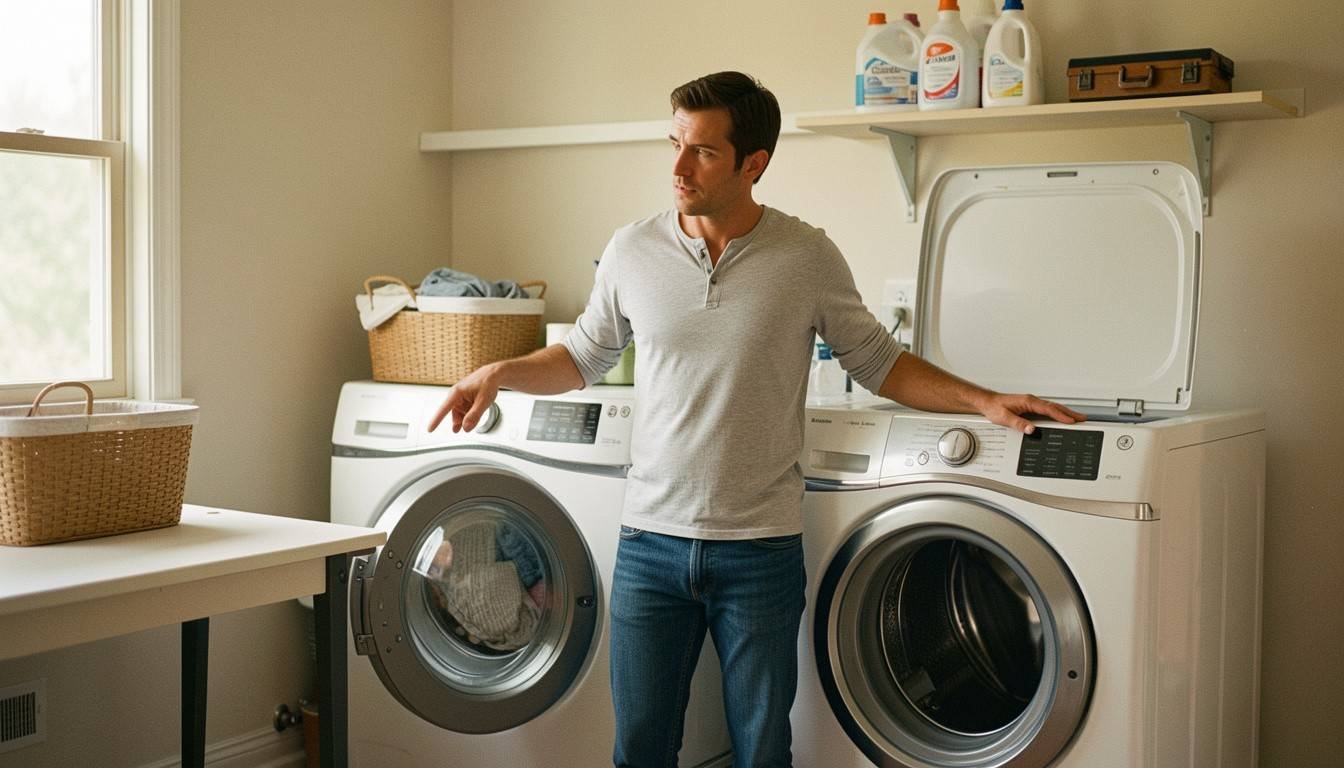
You’re either shopping for a new washer or trying to figure out why your current one keeps acting up, and either way, you’ve probably wondered if front load or top load machines break down more often. The truth is more nuanced than most buying guides let on.
Each design comes with its own set of predictable repair issues, and knowing what those are helps you make a smarter choice or catch a problem before it turns into a bigger repair bill.
This guide breaks down exactly what tends to go wrong with each type, what it costs to fix, and how to keep your washer running longer no matter which one you own.
How Front Load and Top Load Washers Are Built Differently
Before you can understand why these two washer types fail in different ways, it helps to know how differently they’re actually built under the hood.
Drum Orientation and Water Use
Front load washers spin the drum on a horizontal axis and use gravity along with tumbling action to clean clothes, which allows them to use less water per cycle.
Top load washers spin the drum vertically and rely on either an agitator or an impeller to move water through the fabric, which typically uses more water but keeps the mechanics simpler.
Door Seal vs. Lid Switch Design
Front load washers depend on a rubber door gasket to keep water inside during the cycle, while top load washers use a lid switch that simply needs to detect the lid is closed before it will spin or drain.
These two components fail in very different ways, and that difference shapes almost everything else about how each washer type breaks down.
Why Design Differences Drive Different Repair Patterns
Because front load washers pack more moving parts into a sealed, low-water system, their common issues tend to involve moisture, seals, and electronics. Top load washers, being mechanically simpler, tend to fail in more straightforward, easier to diagnose ways.
Most Common Front Load Washer Repair Issues
Front load washers are efficient, but that efficiency comes with a specific set of repair issues you should know about before you own one.
Mold and Mildew Around the Door Gasket
The rubber gasket that seals the door also traps moisture in its folds after every cycle, which creates the perfect environment for mold if you close the door right after washing. This is one of the most common front load complaints, and it’s covered in detail in this guide on why your washer smells like mildew.
Drain Pump Clogs from Low-Water Wash Cycles
Because front load washers use less water, debris doesn’t always flush through the drain system as easily, which leads to clogs in the pump filter more often than you’d expect. If your washer has ever stopped draining entirely, this breakdown of top reasons your washing machine won’t drain walks through the most likely causes.
Door Lock and Latch Failures
Front load washers use an electronic door lock rather than a simple switch, and that lock mechanism can wear out or fail, leaving you unable to open or start the machine at all.
Bearing Wear from Faster Spin Speeds
Front load washers typically spin at higher speeds than top load models, and that extra speed puts more strain on the tub bearing over time, which can eventually lead to grinding noises during the spin cycle.
Control Board and Electronic Sensor Failures
Front load washers rely on more sensors and electronic controls to manage water levels, cycle timing, and load balance, and any one of these components failing can stop the whole machine from running properly.
Most Common Top Load Washer Repair Issues
Top load washers are known for being simpler machines, but simple doesn’t mean repair-free. Here’s what tends to go wrong.
Lid Switch Failures
The lid switch is a small, inexpensive part, but it’s also one of the most common points of failure. Once it wears out, the washer won’t spin or drain, since it can no longer confirm the lid is closed.
Agitator or Impeller Wear
The agitator or impeller takes on constant mechanical stress every time you run a load, and over the years, that repeated motion wears down the coupling that connects it to the motor.
Motor Coupling Failures
This small plastic or rubber part connects the motor to the transmission, and it’s specifically designed to break before more expensive components do, which actually makes it one of the more affordable top load repairs.
Unbalanced Load Shutoffs
Top load washers are quick to pause or shut off when a load shifts unevenly, which protects the machine but can feel like a malfunction if you don’t know that’s what’s happening.
Suspension Rod and Spring Wear
The suspension system keeps the tub steady during spin cycles, and worn rods or springs are a common cause of excessive shaking, especially on older machines.
Which Type Breaks Down More Often? What the Data Shows
This is the question most homeowners actually want answered, and the honest answer is more balanced than the marketing from either side suggests.
Repair Rate Comparison Between the Two Designs
Independent appliance service data has shown that both front load and top load washers have relatively similar overall repair rates, with top load machines showing a slight edge in early-year reliability due to their simpler mechanical design.
Why the Reliability Gap Is Smaller Than Most People Assume
The difference in repair rates between the two types is often small enough that it shouldn’t be the deciding factor on its own. Design complexity plays a role, but it’s not the dominant one.
Brand and Build Quality Matter More Than Washer Type
Across the appliance industry, build quality and brand reliability tend to have a bigger impact on how often a washer needs service than whether it’s a front loader or a top loader. This lines up with what’s true across most home appliances, not just washers, as covered in this guide on the average lifespan of major home appliances.
Repair Cost Comparison: Front Load vs. Top Load
Reliability is only half the picture. What a repair actually costs you once something breaks matters just as much.
Why Front Load Repairs Tend to Cost More
Front load washers pack more components into a tighter, sealed design, which means labor time often runs longer and parts, especially electronic ones, tend to cost more than their top load equivalents.
Why Top Load Repairs Are Often Simpler and Cheaper
Because top load washers use fewer electronic components and simpler mechanical parts, common repairs like a lid switch or motor coupling replacement are usually quicker and more affordable to fix.
Typical Cost Ranges for Common Repairs on Each Type
Minor repairs, like a lid switch or a drain pump filter cleaning, tend to sit at the lower end of the cost range regardless of washer type. Bigger repairs, like a control board replacement on a front loader or a suspension system repair on a top loader, cost significantly more due to the parts and labor involved. A technician can give you an accurate number once they’ve diagnosed the actual issue.
Repair Access and Diagnosis: Which Is Easier to Work On?
How easy a washer is to physically access plays a bigger role in repair time and cost than most homeowners realize.
Top Load Access Through the Top Panel
Most top load washers allow a technician to lift the top panel and access the motor, agitator, and other core components directly, which speeds up both diagnosis and repair.
Front Load Access Through the Front or Rear Panel
Front load washers often require removing the front panel or even the rear panel to reach components like the bearing or drum assembly, which adds time and complexity to the repair process.
Why Diagnosis Takes Longer on Front Load Models
Between the added electronics and the more involved physical access, diagnosing a front load washer issue typically takes a technician longer than pinpointing a problem on a top load model.
Preventable Problems: What Actually Causes Most Repairs
Here’s the part most buying guides skip. A large share of washer repairs, on either type, come down to habits rather than design flaws.
Using Regular Detergent Instead of HE Detergent
High-efficiency washers, which include most modern front load and many top load models, need HE detergent formulated to produce fewer suds. Regular detergent leaves behind residue that builds up in the drum and dispenser over time.
Skipping Routine Gasket and Filter Cleaning
Whether it’s a front load gasket or a top load lint filter, skipping regular cleaning is one of the fastest ways to turn a minor maintenance task into an actual repair.
Overloading or Consistently Unbalanced Loads
Repeatedly overloading the drum or leaving heavy items bunched on one side puts ongoing strain on suspension components and bearings on both washer types.
Ignoring Early Warning Signs
A washer that starts making new noises, taking longer to drain, or shaking more than usual is telling you something before it actually breaks down. Catching these signs early is one of the simplest ways to avoid a bigger repair, and this list of signs your appliances are about to break down covers what to watch for across your home.
How Murrieta’s Hard Water Affects Both Washer Types
Local water conditions add another layer to this comparison that most national buying guides never mention.
Mineral Buildup on Valves, Hoses, and Seals
Murrieta’s water supply carries a high mineral content, and that buildup coats water inlet valves, hoses, and seals on both front load and top load washers over time, regardless of which type you own.
Why Local Water Conditions Shorten Component Lifespan
Scale buildup narrows hoses and roughens seal surfaces, which accelerates wear on parts that would otherwise last longer in areas with softer water. This connects to a broader pattern across household appliances, which this guide on how hard water in Murrieta affects your home appliances explains in more detail.
Maintenance Adjustments Worth Making in This Area
Given the mineral content here, plan on cleaning gaskets, filters, and dispensers more often than the manufacturer’s manual suggests, no matter which washer type you own.
Smart Washers in 2026: Do They Change the Repair Picture?
Smart features have become standard on many new washers, and they genuinely change part of the repair conversation, for better and for worse.
What Self-Diagnostic Features Actually Do
Many current washers can flag specific error codes, track cycle performance, and alert you through an app when something needs attention, which helps you catch problems earlier than you might otherwise notice.
Where Smart Technology Helps Prevent Repairs
Early alerts about unbalanced loads, drainage issues, or unusual cycle behavior can help you address small problems before they turn into major repairs, which is a genuine advantage over older, non-connected models.
Where It Adds New Points of Failure
At the same time, more electronics mean more components that can fail, and smart washer repairs sometimes require diagnosing a software or connectivity issue in addition to any mechanical problem. This tradeoff mirrors what’s happening across the appliance industry as a whole, covered in this comparison of smart appliances versus traditional models.
Which Washer Is the Better Fit If Avoiding Repairs Is Your Priority
If minimizing repair headaches is your main concern, here’s how to think through the tradeoff between the two types.
How to Weigh Lower Repair Costs Against Water and Energy Savings
Top load washers generally offer simpler, less expensive repairs, while front load washers offer better water and energy efficiency at the cost of more complex, pricier repairs when something does go wrong. Neither choice is objectively better, it depends on which tradeoff matters more to your household.
Questions to Ask Before You Buy If Repair History Matters to You
Ask about the brand’s typical repair rate, how accessible parts are locally, and whether the model has known issues with specific components like control boards or bearings. If your washer is already older and any repair starts feeling expensive relative to its age, this guide on whether it’s worth repairing your old appliance or replacing it can help you make that call with more confidence.
Neither front load nor top load washers are inherently more reliable than the other. Each comes with its own predictable failure points, its own maintenance habits, and its own repair costs.
Knowing what to expect from your specific washer type helps you catch small issues early, budget for repairs realistically, and get more years out of the machine you already own.
And if something does go wrong along the way, the team at Appliance Repair Murrieta knows both washer designs well and can help you figure out the right fix. Feel free to reach out anytime you want a second opinion.